Tag Wealth Systems

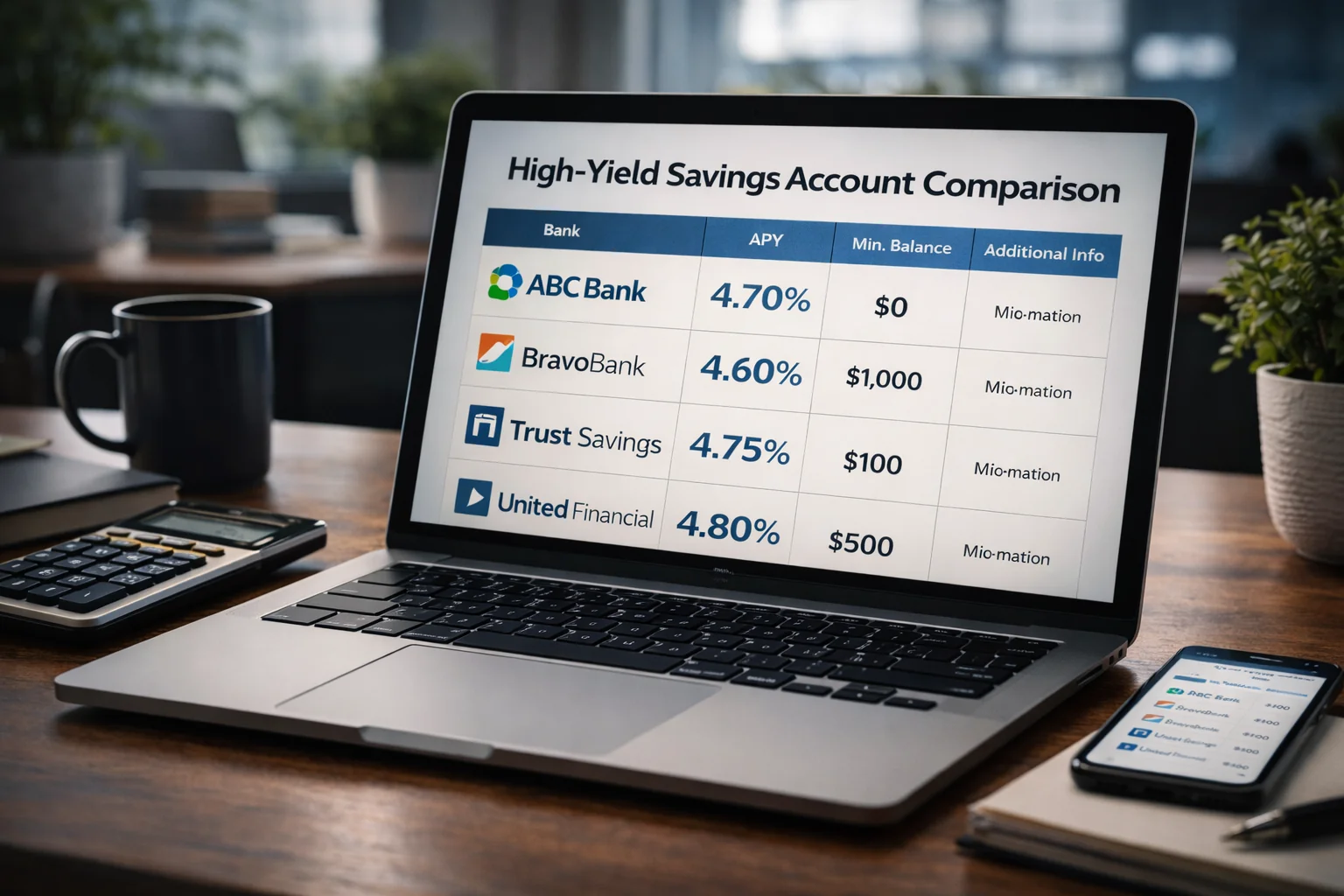
best high-yield savings accounts 2026

Best High-Yield Savings Accounts 2026: Who Still Pays 5%+ APY

High-yield savings account rates peaked at 5.5% in 2023 and have been falling ever since. By 2026, most banks are paying 3.5-4.5%. Here's who still offers competitive rates, which accounts have hidden fees, and when you should stop parking cash in HYSAs and move to better alternatives.


backdoor Roth IRA 2026

Backdoor Roth IRA 2026: How High Earners Contribute $7,000 Tax-Free

High earners over $161K can't contribute directly to a Roth IRA—but the backdoor method lets you contribute $7,000 tax-free anyway. Learn the two-step process, avoid the pro-rata rule trap that costs thousands, and execute a clean conversion. Includes step-by-step guide with real examples from high earners.

Best-safe-investments-2026

The “Yield Cliff” is Here: Where to Move Your Cash When HYSAs Drop Below 4%

High-yield savings accounts paid over 5% in 2024. By January 2026, most offer 4.00-4.35%—and they're still falling. This analysis examines where to allocate cash when HYSA rates no longer justify keeping substantial balances in savings: Treasury bills, CDs, money market funds, and ultra-short bond ETFs, with specific guidance on when each makes sense.

The-5-Best-Business-Checking-Accounts-for-Freelancers-in-2026

The 5 Best Business Checking Accounts for Freelancers in 2026

Stop mixing personal and business expenses. It puts your assets at risk and makes tax season a nightmare. We reviewed the top 5 free business checking accounts for freelancers in 2026, including Bluevine, Found, and Chase. Find out which bank offers the best high-yield interest rates and automated tax tools today.

The-Equity-Trap-Why-Renting-is-Mathematically-Superior-to-Buying-in-2026

The Equity Trap: Why Renting is Mathematically Superior to Buying in 2026

The old advice says "renting is throwing money away." In 2026, that is mathematically wrong. For most high-earners, buying a home is an "Equity Trap" that destroys liquidity and lowers returns. We break down the 5% Rule—the simple formula portfolio managers use to prove why renting is often the superior wealth-building strategy.