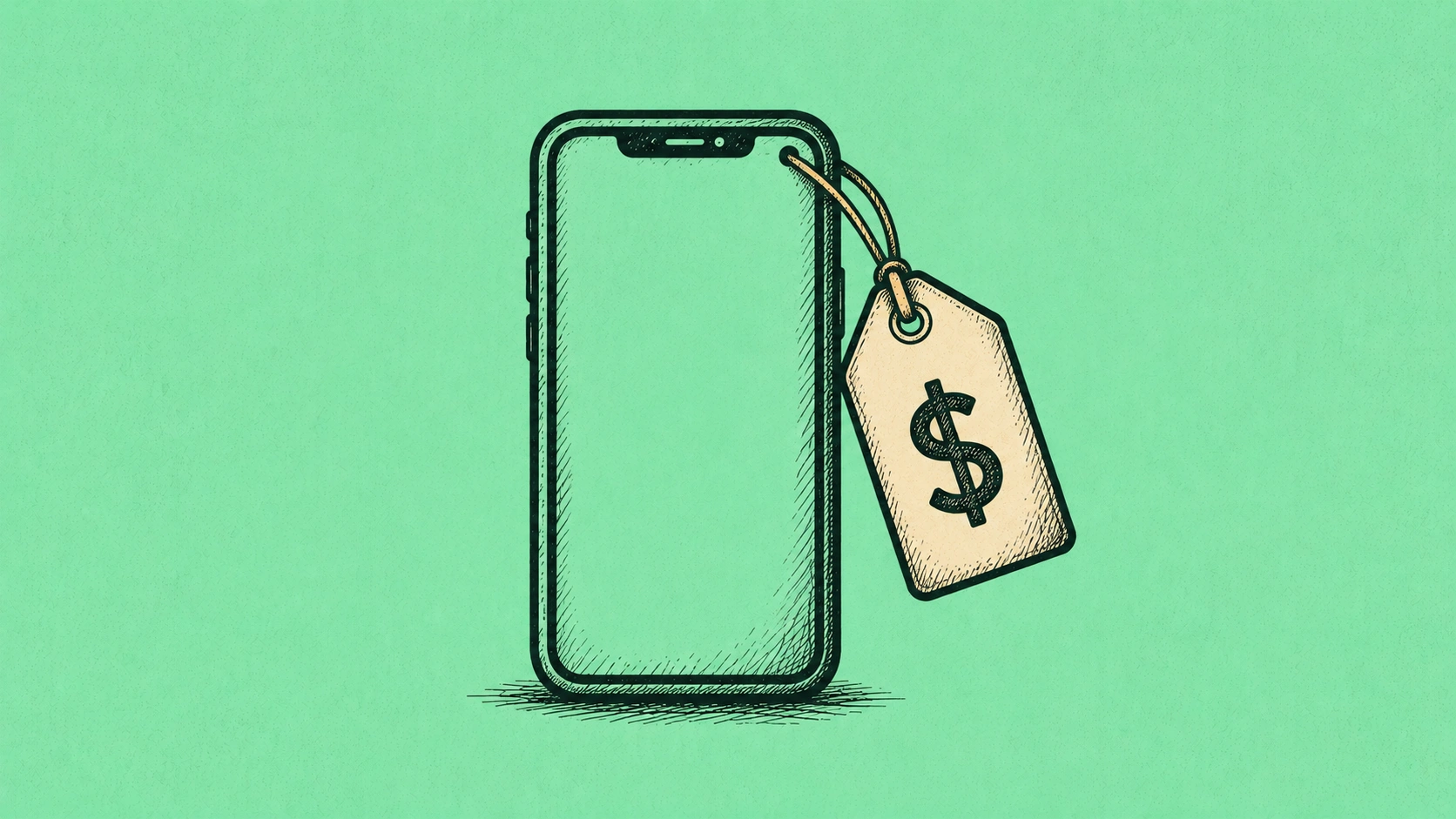
There’s an old line that’s become a cliché precisely because it’s true: if you’re not paying for the product, you are the product. I used to think I understood what that meant. Then I actually looked at what a handful of “free” apps on my phone were collecting and selling, and it reframed the whole transaction for me. Free was never free. I’d just been paying in a currency I wasn’t tracking. Understanding what free apps cost you is the first step to deciding which trades are actually worth making.
Most people have a vague sense that free apps make money from their data. Fewer have looked closely at the actual exchange — what’s being taken, what it’s worth, and whether the trade is fair. It’s worth doing, because once you see the real price tag, some of these trades stop looking like good deals.
What Free Apps Cost You: How the Model Works
A free app still has to make money, and the business model is almost always one of three things: advertising, data sales, or a funnel toward paid upgrades. The first two run on your information.
In the advertising model, the app collects data about you to target ads and to prove to advertisers that the ads worked. That requires knowing who you are, what you do, and ideally what you buy. The more it knows, the more your attention is worth to sell.
In the data-sales model, the app collects information and sells it — directly or through intermediaries — to data brokers, who fold it into the detailed files they maintain on basically everyone. That free flashlight app, that free game, that free weather app may be worth more as a data-collection vehicle than it could ever be as a paid product. This is a direct feed into the broader economy of what data brokers know about you.
The exchange isn’t inherently evil — plenty of genuinely useful free services are ad-supported and reasonably honest about it. The problem is that the price is deliberately invisible, so you can’t tell a fair trade from a bad one.
What These Apps Actually Collect
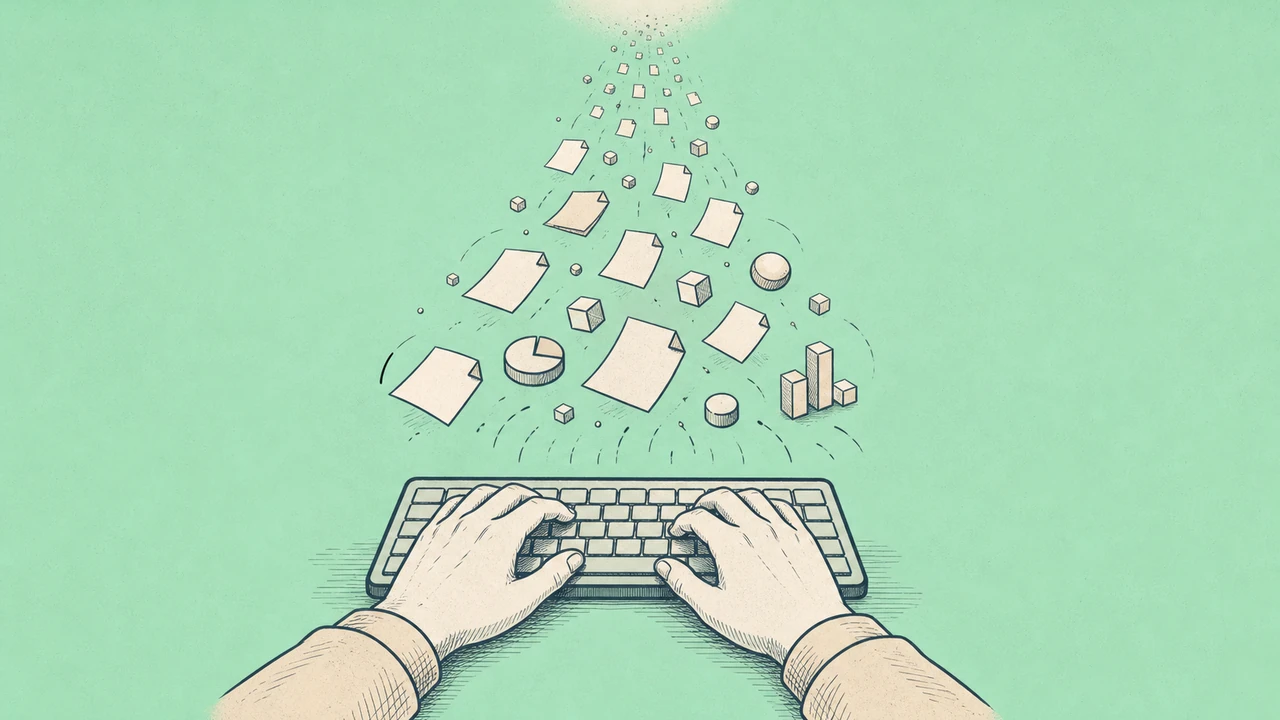
The data a free app can gather goes well beyond what you type into it. Location, often continuously and in the background, even when you’re not using the app. Your contacts. Your device identifiers, which let brokers link your activity across different apps into one profile. Your usage patterns — when you open it, how long you stay, what you tap. On some platforms, the other apps installed on your device. And anything you grant permission for, which people routinely approve without reading.
Individually these feel minor. The power, as with all of this, comes from aggregation: your location pattern plus your contacts plus your device ID plus your habits, combined across dozens of apps and stitched together by brokers, becomes a portrait far more detailed than any single app could build. That’s the same centralization dynamic that makes large-scale data systems so powerful, running quietly inside your pocket.
The Real Cost Isn’t Privacy in the Abstract — It’s Money
It’s easy to wave off data collection as a privacy issue that doesn’t really touch you. But the profile built from your app data feeds decisions that hit your wallet, the same way your car’s data can quietly raise your insurance. The categories brokers infer — your income band, your financial stress level, your life events — flow into the pricing and targeting decisions that companies make about you. You can pay more for things, get targeted with predatory offers when you’re inferred to be vulnerable, or be sorted into a segment that shapes what you’re shown and charged.
And there’s the direct security cost. Every app holding your data is a potential leak, and the detailed profile assembled from your apps is exactly the raw material that makes scams and identity theft work. The convenience of a free app is real; so is the downstream cost, and the second one is just deferred and hidden.
Join The Global Frame
Money, work, and tech — one read every Saturday that actually changes how you think.
How to Audit and Cut the Cost
You don’t have to delete everything and live in a cave. The goal is to make the trade visible and stop overpaying. Here’s the practical pass, and it takes about half an hour.
Do a permissions audit. On both iPhone and Android, you can see which apps have access to location, contacts, camera, microphone, and more, grouped by permission. Go through location first — that’s the most valuable and most over-granted. Switch apps from “always” to “while using” or “never” unless there’s a genuine reason. Most apps asking for background location have no business need for it that benefits you.
Turn off the advertising identifier. Both platforms have a setting to limit ad tracking or reset/delete the advertising ID that brokers use to link your activity across apps. On iPhone it’s the App Tracking Transparency and tracking settings; on Android it’s the ad-privacy and advertising-ID controls. This single toggle meaningfully degrades the cross-app profile.
Delete the apps you don’t really use. The free app you opened twice is still potentially collecting in the background. Uninstalling is the cleanest opt-out there is. This doubles as a useful exercise — it’s the digital cousin of a subscription purge, except you’re cutting data leaks instead of dollars.
Use a privacy-respecting browser and check its settings. A browser like Firefox with tracking protection, or another privacy-focused option, cuts a lot of web-based collection without costing you anything. The deeper browser-level moves are worth a dedicated pass, which I cover in browser privacy settings.
Sometimes, pay the few dollars. When a paid version of an app exists that removes ads and data collection, it’s often worth it — you’re buying back the thing you were paying for invisibly. A few dollars for an app that stops monetizing your data can be one of the better small purchases you make, and it flips the relationship: now you’re the customer, not the product.
The Reframe Worth Keeping
The point isn’t that free apps are evil or that you should feel guilty for using them. It’s that “free” is a price, not the absence of one, and you’re entitled to know what you’re paying. Once you can see the real exchange — your location, your contacts, your habits, your profile, in return for a convenience — you can make an actual decision instead of an automatic one. Some free apps are a great deal at that price. Others absolutely are not, and you were never given the numbers to tell the difference.
Run the audit once, change the defaults, and you’ve reset the terms on dozens of these trades at the same time. In a world increasingly built on monetizing what you do, knowing the price of “free” is one of the few moves that’s entirely yours to make — the same principle that runs through everything from financial privacy to your monthly budget. The cost was always there. Now you can choose whether to keep paying it.