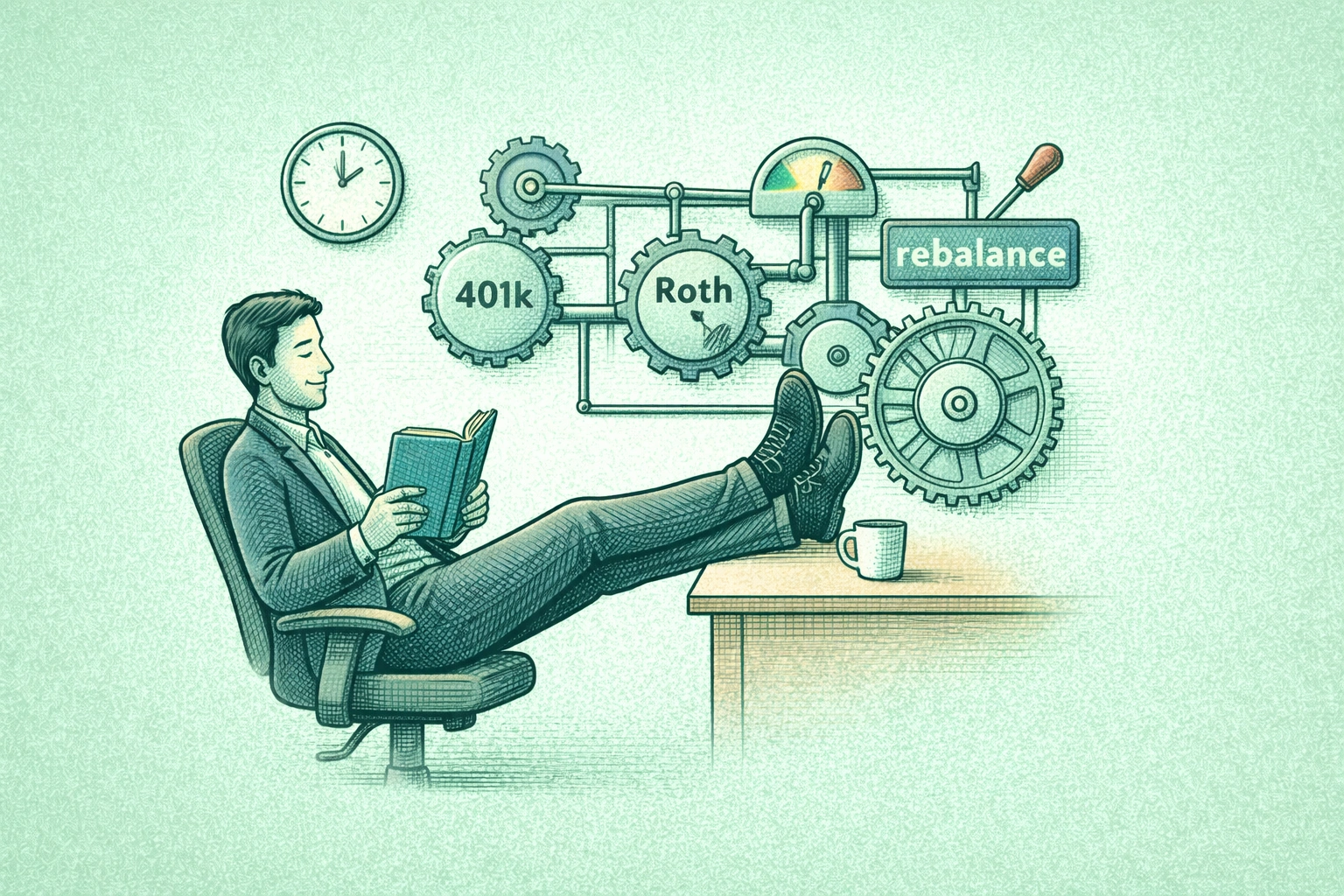
Designing Your Personal Wealth Management System
Part 7 of the Rational Compounding Framework Most people manage their money the way they manage their inbox — reactively. They open the investment app when markets drop 8% and…
Part 7 of the Rational Compounding Framework Most people manage their money the way they manage their inbox — reactively. They open the investment app when markets drop 8% and…

Part 6 of the Rational Compounding Framework There’s a certain type of finance content that feels incredibly productive to read. It goes something like this: max your HSA, do the…

Part 5 of the Rational Compounding Framework March 2020. The S&P 500 drops 34% in 23 days. I watched three groups of people respond to the same event in completely…

Part 4 of the Rational Compounding Framework A friend at Google had a realization last year that I’ve watched play out more times than I can count. He’d been there…

Part 3 of the Rational Compounding Framework There’s a specific kind of broke that doesn’t look broke. Last year I came across a thread on Blind where a $350K Meta…

Part 2 of the Rational Compounding Framework I know someone who made $400K last year and lives paycheck to paycheck. I know someone else who makes $120K and has $800K invested,…

Part 1 of the Rational Compounding Framework There’s a conversation that happens every December at some holiday party somewhere. Someone mentions their portfolio is up 47% for the year. They caught…

There’s an entire generation of high earners who can’t explain their net worth. Not the number itself — most people know that — but why it is what it is,…
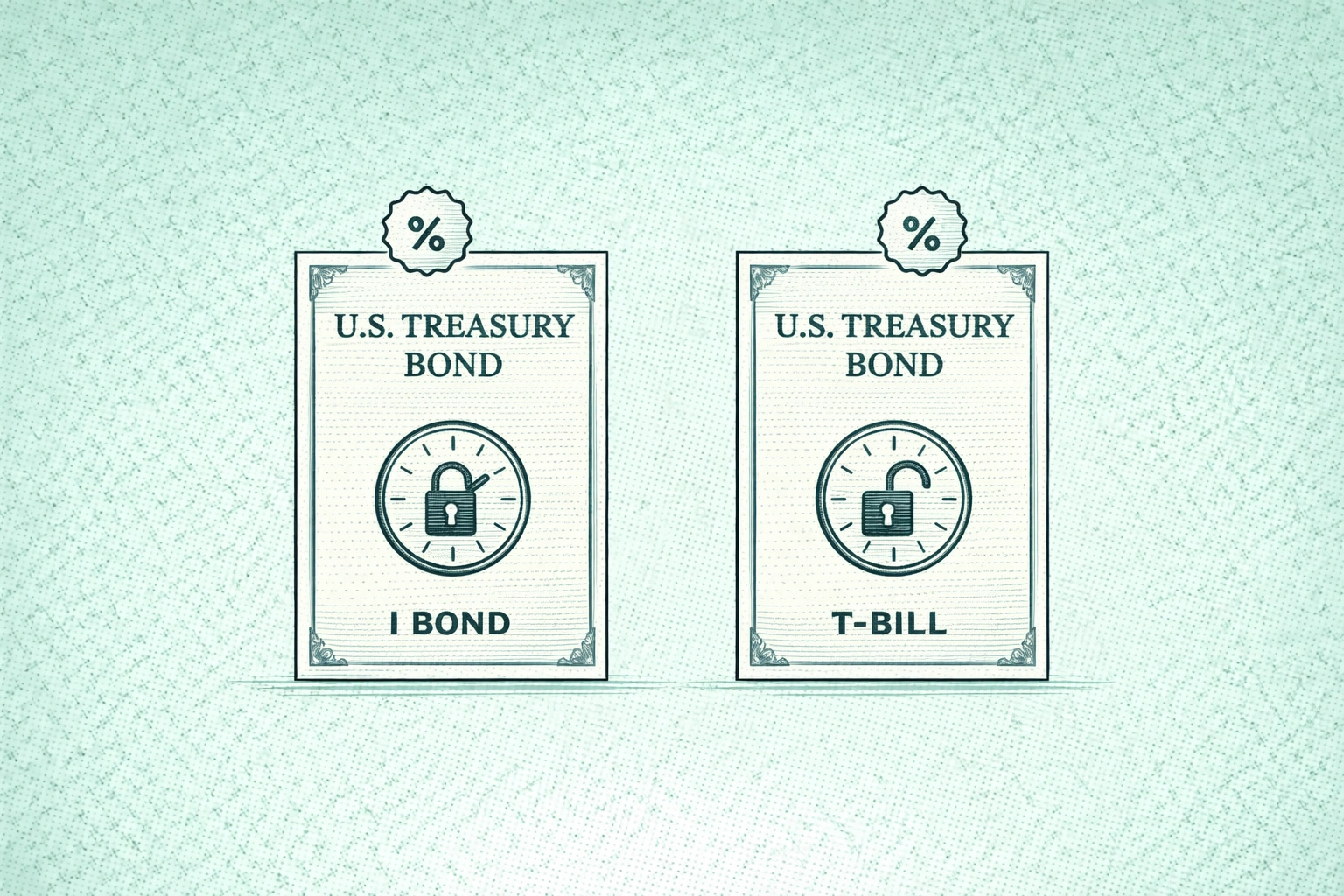
Updated July 2026: Rates have dropped significantly since this was written. I Bonds are now paying 4.26% (May–October 2026 composite rate), down from 5.27%. 52-week T-bills are around 3.96%, down…
The standard mental model for investment losses is backwards. When a position in your taxable brokerage account goes down, most investors experience it as a pure negative — a paper…