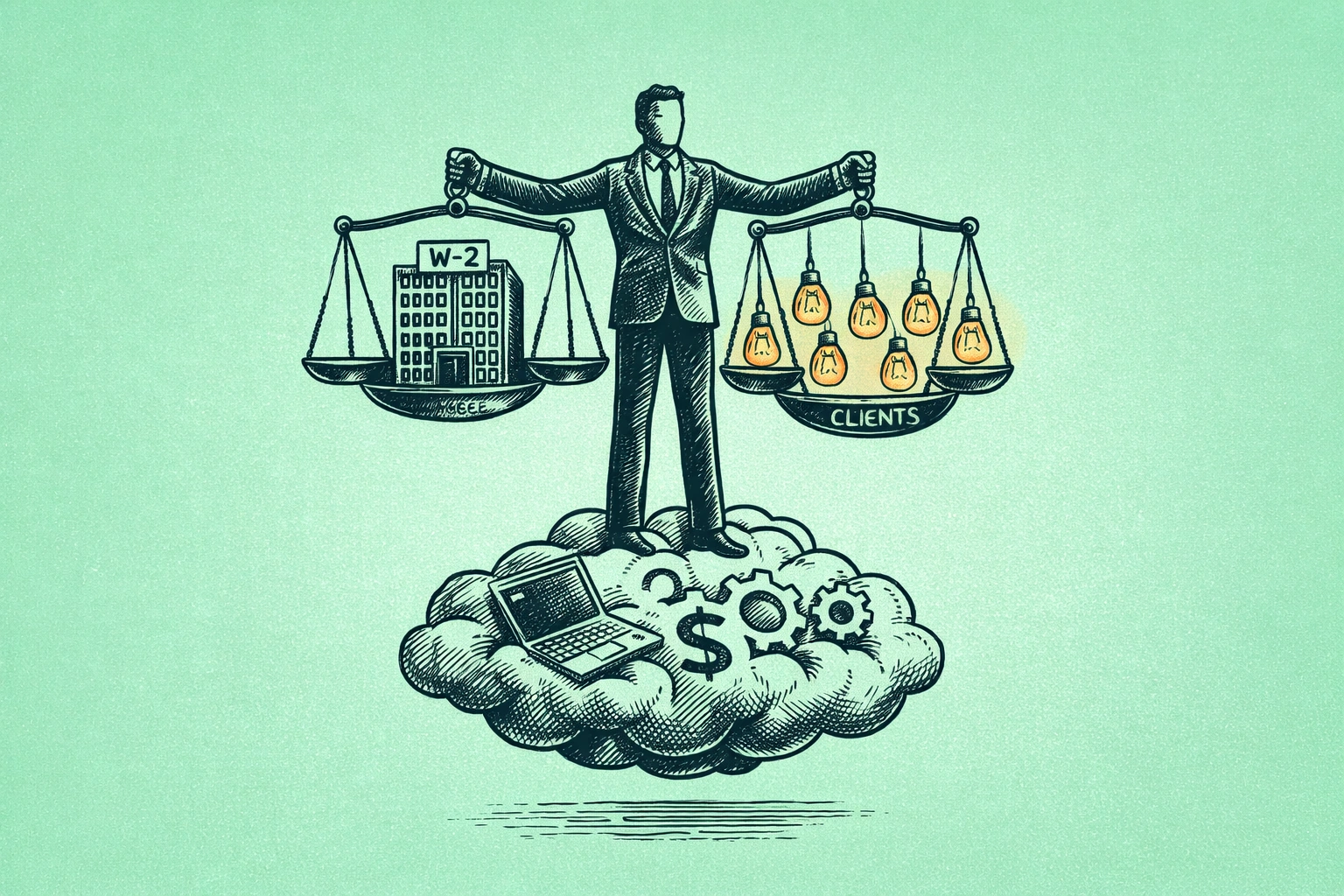
The most expensive thing I did for years never showed up on a budget. It was the quiet, constant work of making sure everyone liked me.
For a long stretch I ran coordination teams inside big tech companies — the people who keep interviews, launches, and a hundred shifting headcounts from crashing into each other. I was good at the job. I was also, by any honest measure, a pushover. I took the extra project. I smoothed over tension instead of naming it. I let people walk off with credit because correcting them felt rude. And every year I watched quieter, sharper, less agreeable people collect the promotion I’d told myself I was too gracious to chase.
Being liked at work felt like the safe play. It was really just a bill I kept paying without ever reading it.
There was a woman a few desks over — I’ll call her Sloane — who never paid it. She walked into rooms like rent was due. She’d let a senior VP finish a bad idea and then take it apart in a single sentence, calm as anything, the way you’d move a child’s hand off a hot stove. People called her difficult. People also handed her budget, headcount, and a title two rungs above mine. She wasn’t cruel. She just had no appetite for being liked and an almost frightening loyalty to the four people she’d decided were worth it. Come after one of them and she’d end you, smiling the whole time.
I used to think she was getting away with something. The research says she just read a price tag the rest of us were too polite to look at.
What Being Liked at Work Actually Costs
A team of researchers at Notre Dame, Cornell, and Western Ontario ran the numbers on personality and pay across several large datasets and found a pattern nobody enjoys saying out loud: the more agreeable you are, the less you tend to earn. Warm, trusting, accommodating, easy to work with — the people we call “nice” — consistently made less than their blunter colleagues. The effect was sharpest for men, and the reason wasn’t that disagreeable people are better at the job. It was backlash. Agreeable men got quietly punished for not playing the hard-nosed part everyone expected of them.
It helps to be clear about what “disagreeable” means here, because it isn’t what it sounds like. It doesn’t mean rude, and it doesn’t mean cruel. It means someone who won’t be run over — who’ll hold a position, name an uncomfortable truth, and decline a request without spending an hour managing everyone’s feelings about it. Sloane wasn’t unpleasant to be around. She was just impossible to push, and that turned out to be worth real money.
Then there’s the unglamorous work that keeps every office running. Someone takes the notes. Someone plans the offsite, mentors the new hire, sits on the committee nobody wants. It’s necessary. It’s also invisible, and it does not get you promoted. The economist Linda Babcock and her colleagues gave this work a name — non-promotable — and measured who ends up holding it. Women volunteered for it about 48% more often than men, were asked to do it more, and said yes more often when asked. The thanks for being dependable was getting handed the same thankless job again the next quarter.
This is the part that took me years to see. The agreeable person doesn’t lose in one dramatic moment. They lose across a thousand small, reasonable yeses, each one defensible on its own, that add up to a career spent on work that doesn’t count toward the thing they actually want. The raise gets decided in a room they’re not standing in, by people weighing visible wins they never got the chance to claim.
Sloane said no to nearly all of it. Not rudely — just flatly, without the apology tour. And because she guarded her time like it belonged to her, she got to spend it on the work that moved her up instead of the work that kept everyone else comfortable.
Join The Global Frame
Money, work, and tech — one read every Saturday that actually changes how you think.
The Same Behavior, Two Different Verdicts
If you’re a woman, the bill comes higher, and there’s a famous experiment that shows exactly how. A Columbia professor took a real Harvard Business School case study about a successful venture capitalist named Heidi Roizen and handed it to his students. Half got the real version. The other half got an identical copy with one change: the name “Heidi” swapped for “Howard.” Students rated Howard and Heidi as equally competent — same résumé, same wins — but they liked Howard. Heidi struck them as selfish, aggressive, not someone they’d want to work for. Same actions, different name, opposite verdict.
That’s the box a woman like Sloane operates inside. Success and likability climb together for men and pull apart for women, so the exact behavior that gets a man called a strong, decisive leader gets a woman called abrasive. It shows up in the language of performance reviews, where men get feedback about strategy and women get feedback about tone. She wasn’t imagining the cost. She was paying a tax that a man with her temperament would simply never be handed.
But here’s the crack in it, and it’s the most useful thing I know on this whole subject. That penalty turns out to be mostly a stranger’s reflex. When the same line of research looked at people rating colleagues they actually knew, the backlash mostly evaporated — assertive women were judged every bit as hireable as assertive men, and sometimes more. The punishment lives in distance and first impressions, not in the people who’ve watched you work up close. Which means the answer was never to shrink or to soften. It was to get close enough, often enough, that what you can do outruns the story strangers tell themselves about your manner.
Spend Less on Being Liked, More on Being Trusted
Liking is cheap and fast. You can buy it in a single meeting by agreeing with everyone in the room. Trust and respect cost more and last longer, and only one of those two ever shows up in your pay. The shift that changed things for me wasn’t becoming colder. It was taking all the energy I’d been pouring into approval and aiming it at being useful in ways people couldn’t overlook.
In practice that meant a handful of specific moves. I started auditing the unpaid work and turning down the favors that filled everyone’s calendar but mine. I learned to say no without the soft landing, because “I can’t take that on” is a complete sentence — Sloane never once explained hers, since an explanation is really just an opening to negotiate. I stopped pre-apologizing for taking up space, having finally noticed that “sorry, quick question” had spent years training people to treat my time as theirs for the taking.
And I made sure the people who decide money could actually see what I did. If the penalty for being direct lives in distance, then being known is the cure — being in the room, on the record, attached to the wins by name. Reliability that none of the deciders ever witness isn’t a virtue. It’s a quiet road to burnout with no raise at the end of it. The most underpaid person I’ve ever worked with was also the most universally beloved, and those two facts were not unrelated.
None of this is permission to be a jerk, and the honest version of this comes with a real catch. The same research that says agreeable people earn less also found they tend to be happier, less stressed, and surrounded by stronger relationships. That’s not a small thing. Depending on what you actually want out of a career, it might be the better trade — but it should be a trade you’re choosing on purpose, not a bill you’re paying because nobody told you it was arriving.
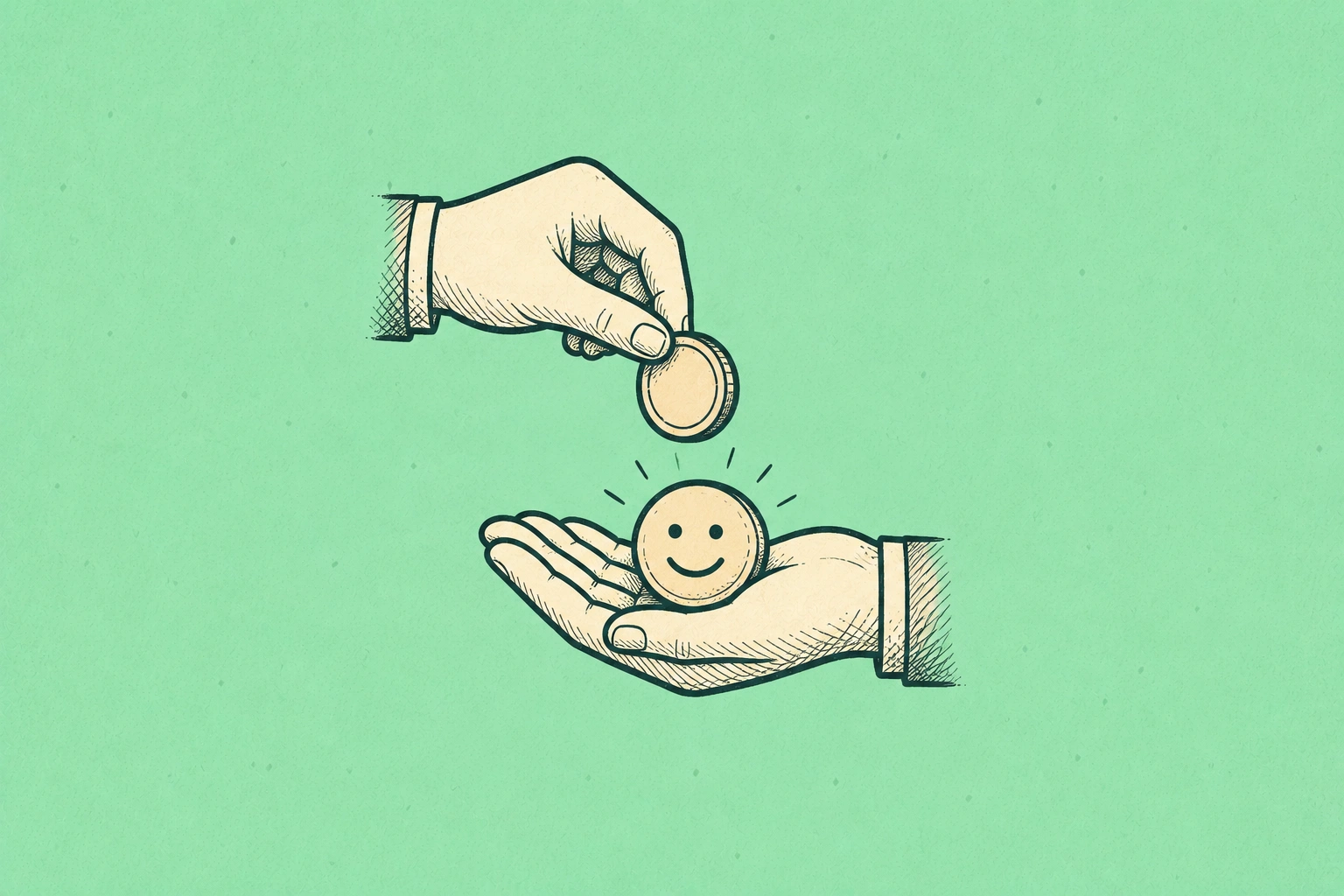
The point was never to stop being kind. It’s to stop confusing being liked with being valued, and to quit paying full price for the first while telling yourself you’re earning the second.
The year I finally stopped working for everyone’s approval, two people stopped speaking to me, and my pay moved more than it had in the previous three years put together. I’m not going to pretend that’s a coincidence. Being liked and being respected feel nearly identical from the inside, right up until the moment you check who got the promotion and who got the extra committee. Sloane understood the difference at twenty-six. It took me until my mid-thirties and a paycheck noticeably smaller than hers to catch up — and the first thing I did once I figured it out was stop apologizing for it.