Death by a thousand cuts. That is what your bank account looks like in 2026.
You aren’t losing money on big purchases. You didn’t buy a boat. You didn’t fly first class. You are losing money because everything—literally everything—has become a monthly fee.
Your doorbell needs a subscription. Your car’s heated seats need a subscription. Your to-do list app, your meditation app, and your AI writing tool all want $9.99 a month.
We have reached “Peak Subscription.”
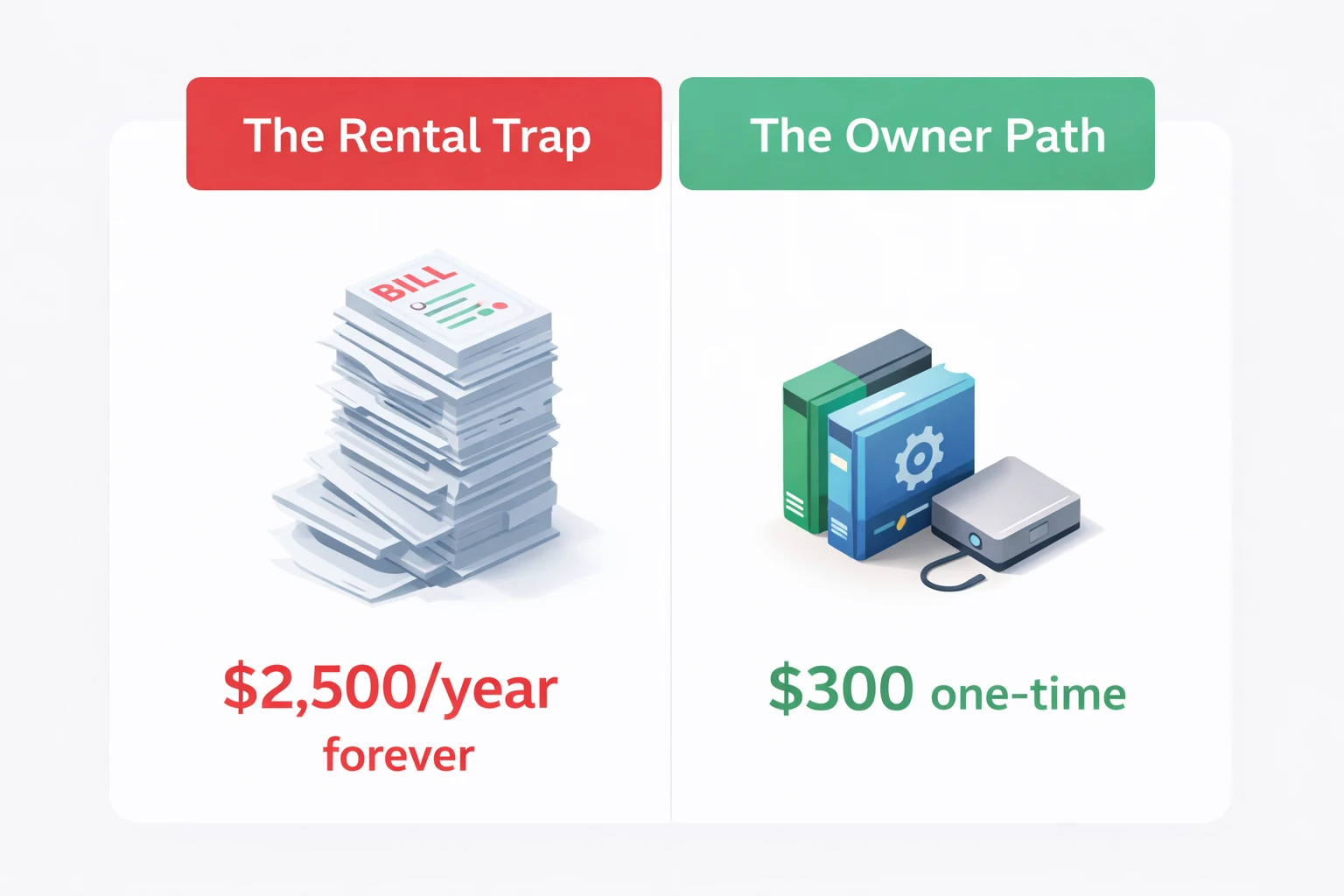
The average American now spends $219 a month on subscriptions, and 42% of them are for services they haven’t used in the last 30 days. That is over $2,500 a year bleeding out of your wealth, mostly due to inertia.
It’s time to stop renting your lifestyle. Here is the 3-step protocol to execute a “Digital Purge” and claw back that cash.
The Psychology of the “Forever Payment”
Companies love the subscription model (SaaS) for one reason: You forget.
They count on “Subscription Fatigue.” They know that if they price it at $12.99, it is just below the threshold of pain where you would actually log in, find the “Cancel” button (which is always hidden), and go through the exit survey.
They are taxing your laziness.
In 2026, the trend has shifted. We are seeing the rise of the “Buy Once” Movement—a consumer rebellion rejecting the rental economy in favor of owning software and hardware outright.
Join The Global Frame
Money, work, and tech — one read every Saturday that actually changes how you think.
Here is how to join the resistance.
Phase 1: The “Forensic Audit”
You cannot cut what you cannot see. Do not trust your memory. Trust the data.
The Tactic: Download your last 3 months of bank statements and credit card bills (CSV format is best). Sort by “Vendor.”
Look for the “Vampire Costs”:
- The “Zombie” Streamers: You have Netflix, Hulu, Disney+, Max, Peacock, and Apple TV+. Be honest: When was the last time you opened Peacock? If you haven’t watched a show on it in 30 days, kill it. You can always resubscribe later.
- The “Free Trial” Trap: That PDF editor you used once in November? It’s been charging you $19.99 for two months.
- The “Duplicate” Cloud: You are paying for iCloud storage, Google One, and Dropbox. You only need one. Consolidate everything to the ecosystem you actually use.
The Rule of Thumb: If it doesn’t spark joy or generate income, it dies.
Phase 2: The “Buy Once” Replacement Strategy
The smartest move in 2026 is replacing “Rent” with “Own.” There is a massive market of “Lifetime Deal” (LTD) software that works just as well as the big names.
1. Replace Spotify with Your Own Library
- The Cost: $11.99/mo ($144/year).
- The Fix: Buy your favorite albums on Bandcamp or iTunes. Or, use a free service like YouTube Music (with ads) if you are casual. For the audiophiles: Build a Plex server.
2. Replace Adobe Creative Cloud ($60/mo)
- The Cost: $720/year.
- The Fix: Buy Affinity Photo and Affinity Designer.
- The Price: One-time payment of ~$70. You own it forever. No monthly billing. The features are 90% identical for most users.
3. Replace Microsoft Office 365 ($10/mo)
- The Cost: $120/year.
- The Fix: Use LibreOffice (Free/Open Source) or Google Docs (Free). Unless you are an Excel power user running VBA macros, you do not need to pay rent to Microsoft to write a letter.
4. The “Smart Home” Downgrade
- Does your Ring doorbell require a subscription to save video?
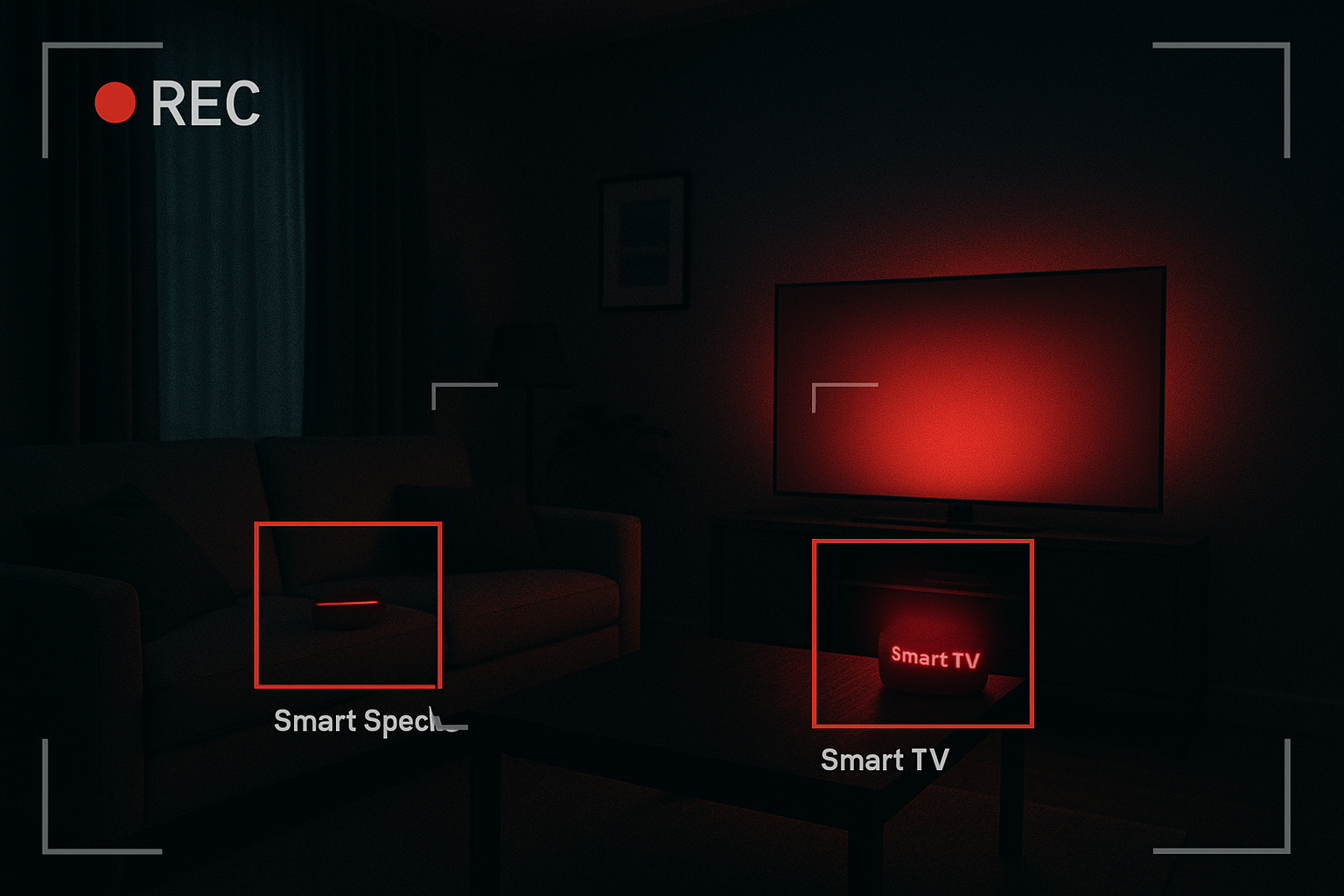
- The Fix: Switch to Eufy or Unifi Protect. They store footage locally on an SD card or hard drive inside your house. No monthly fees. Better privacy.
Phase 3: The “Virtual Card” Firewall
Once you have purged, you need a defense system to stop the creep from happening again.
Never give a vendor your real credit card number for a subscription.
The Tool: Use a service like Privacy.com or your bank’s “Virtual Card” feature.
How it works:
- You want to sign up for a New York Times trial ($4/mo).
- Create a Virtual Card locked to $5/month maximum.
- If they try to raise the price to $25/mo without asking you? The charge declines.
- If you want to cancel? You just delete the virtual card. You don’t have to call them. You don’t have to argue. You just cut the line.
This puts the power back in your hands. You become the gatekeeper of your own wallet.
The “Rotation” Method (for Streaming)
You don’t have to give up TV. You just have to stop paying for all TV at the same time.
Use the “One In, One Out” Rule:
- January: Subscribe to Netflix for Stranger Things. Cancel everything else.
- February: Cancel Netflix. Subscribe to HBO for House of the Dragon.
- March: Cancel HBO. Subscribe to Disney+ for Star Wars.
Result: You see every show you want, but you only pay $15/mo total instead of $85/mo.
The Verdict: Own Your Tech
The most rebellious thing you can do in 2026 is to own things.
Every time you switch from a subscription to a one-time purchase, you are buying your future freedom. You are lowering your “burn rate,” which makes you more resilient against job loss or economic downturns. We often chase complex schemes, but saving money is the guaranteed form of wealth building—far more reliable than risky ‘passive income’ trends.
Your Action Plan for This Weekend:
- Audit: Print your bank statement. Highlight every recurring charge in red.
- Purge: Cancel at least 3 services immediately. (Don’t “think about it.” Just kill them. You can resubscribe in 30 seconds if you truly miss them).
- Replace: Buy one “Lifetime License” software to replace a monthly bill.
That $1,500 you save isn’t just extra cash. Take that $1,500 you saved and put it into safe high-yield assets, and it could grow to over $25,000 in the next decade.
Stop renting your life.