About two years ago I hit a wall that I suspect a lot of people running one-person operations recognize immediately when they hear it described. Revenue was growing. The work was good. And I was somehow more exhausted than I’d ever been at a salaried job with a team and a manager and defined hours.
The problem wasn’t the business. The problem was that I was the business — every single layer of it. Writing, researching, replying to emails, managing the calendar, chasing invoices, updating spreadsheets, fixing whatever broke on the site. None of those individual tasks were hard. Combined, running in parallel, with no clean handoff to anyone else, they were quietly consuming every hour I thought I’d freed up by going solo.
The solopreneur model has a structural flaw that nobody really warns you about. The dream is one person, one laptop, maximum freedom. The reality is that a business has more functional roles than one person can fill without eventually becoming the bottleneck for everything. You trade a 9-to-5 for a 24/7, and you hit a revenue ceiling not because the market won’t pay more but because you physically run out of hours.
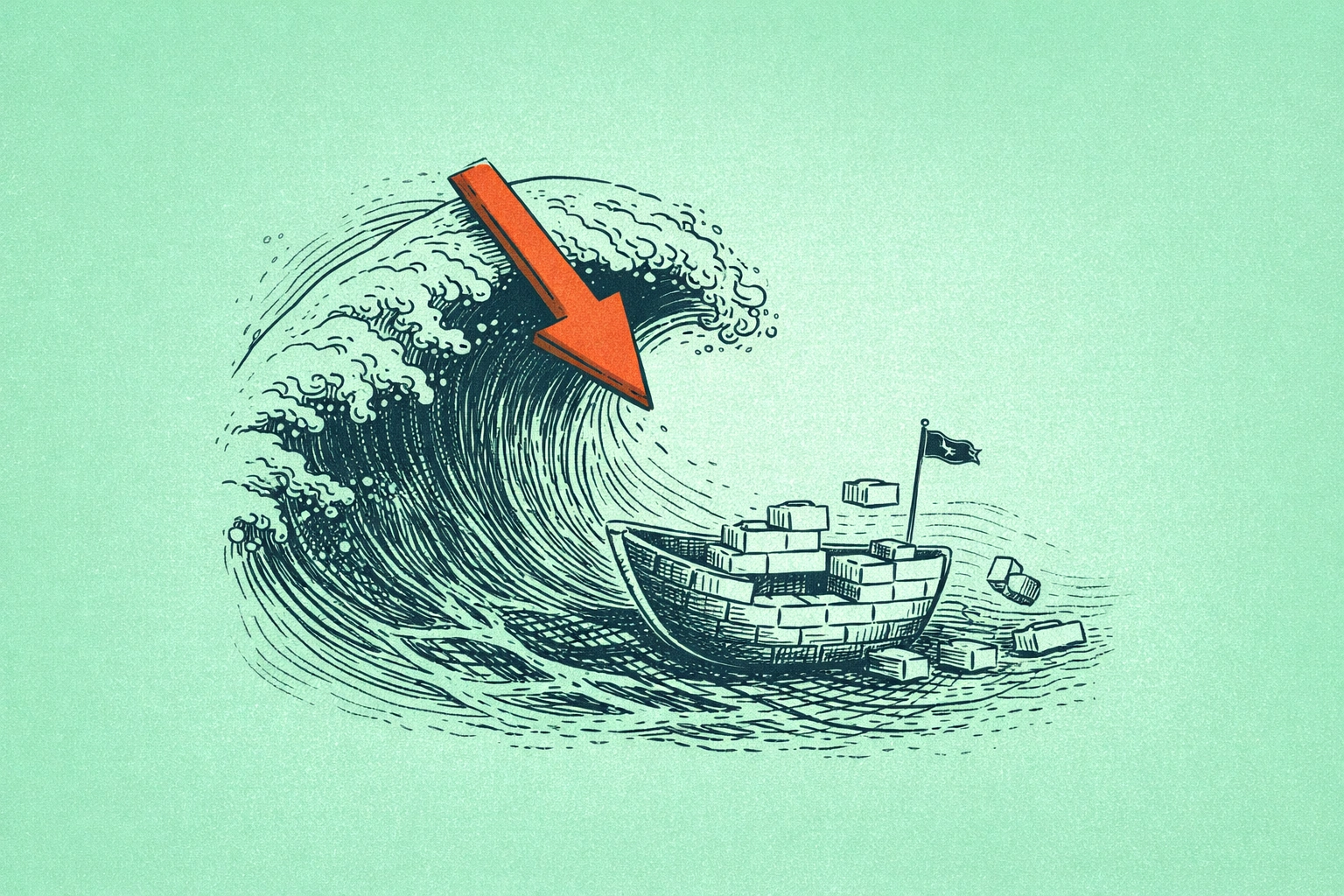
What’s changed in 2026 is that the ceiling moved. Not because solopreneurs are working smarter or managing time better. Because the execution layer of the business — the repetitive, rule-based, time-consuming work that was eating every reclaimed hour — can now be handed off to something that doesn’t need sleep, doesn’t get overwhelmed, and costs less per month than a single hour of a freelancer’s time.
What the Ceiling Actually Was
It helps to be specific about which parts of solo operation are genuinely difficult versus which parts are just tedious.
The difficult parts — judgment calls, creative direction, relationship management, strategy — these have always been manageable for one person. They’re also, not coincidentally, the parts that directly produce value. A solopreneur who spends eight hours on those things is having a productive day.
The tedious parts are different. Researching leads. Writing and scheduling content. Answering the same customer support questions. Following up on emails that didn’t get responses. Reformatting data. These tasks don’t require judgment — they require time. And time is exactly what a solo operator doesn’t have in surplus.
Research from McKinsey puts knowledge worker overhead — email management, information retrieval, scheduling, routine documentation — at close to 60% of the working week. For a solopreneur without any delegation infrastructure at all, that number is probably higher. The operational layer I’ve written about in the context of AI personal assistants is the same layer that’s been quietly limiting what one-person businesses can actually accomplish.
The shift that matters in 2026 isn’t that AI got smarter. It’s that agentic AI got capable enough to own those tedious workflows end-to-end — not just assist with them, but complete them — without a human executing each step.
The Architecture That Actually Works
The instinct when people first encounter AI tools is to use one tool for everything. Ask ChatGPT to write the blog post, research the competitors, draft the outreach email, and summarize the financial report. This works okay for any single task and poorly for all of them together. The context gets muddled, the outputs get generic, and you end up editing more than you saved.
Join The Global Frame
Money, work, and tech — one read every Saturday that actually changes how you think.
What works better is the opposite approach: specialized agents with narrow, defined jobs, each handling one part of the workflow, connected so that the output of one becomes the input of the next.
I’ve been building toward this model for about eighteen months, and the honest version of how it works is less glamorous than the “AI swarm” framing you’ll see in most posts about this. It’s not a fleet of robots running autonomously while you sit on a beach. It’s a set of reliable, well-defined processes that handle the execution layer while you handle the judgment layer. The difference is real but it’s operational, not magical.
The content layer is usually where people start because it’s the most immediately painful part of solo operation. Consistent publishing — blog posts, LinkedIn, whatever channels matter for your business — requires a volume of output that’s genuinely hard to sustain alone without it taking over your schedule.
The workflow I use: a research agent (Perplexity running on a scheduled automation through Make.com) surfaces relevant stories and data points each morning. A writing agent — Claude, specifically, with a detailed system prompt that includes my past writing as style reference — drafts from those inputs. I spend 15 minutes editing, adding a personal observation, fixing anything that sounds too clean. The whole process replaced what used to be two to three hours of staring at a blank page trying to generate something worth publishing.
The key is that last step. I still edit every piece. The agent produces a strong draft; I add the judgment and the voice that makes it worth reading. The AI writing limitation that matters most isn’t quality — it’s that AI writes without lived context. That’s the gap a human has to close, and it’s also where most of the actual value in content lives anyway.
The outreach layer is where the use gets more significant, and also where it’s easier to do badly. Automated cold outreach that feels automated is worse than no outreach. The tools that work — Clay for prospect research and personalization data, Instantly.ai for sequencing — work because they enable genuine personalization at scale, not because they make it easier to blast generic messages to large lists.
The version that’s actually effective: an agent identifies prospects matching a specific profile, reads their recent public output to find a real hook, and drafts a first message that references something specific. The message still gets reviewed before it goes. I’m not handing the relationship off to a bot — I’m handing the research and the first draft off to a bot, which is the part that was taking 45 minutes per prospect and making the whole process feel impossible to sustain.
The support layer is the one most solopreneurs underinvest in until it’s a problem. Once a business gets past a certain volume, answering the same questions repeatedly — about pricing, about policies, about how something works — becomes a significant time drain. A retrieval-augmented chatbot trained on your actual business content (your documentation, your past email responses, your FAQs) handles 70-80% of these questions without your involvement. Tools like Intercom’s Fin and custom GPTs built on your knowledge base make this deployable without engineering resources.
The 20-30% it doesn’t handle are the cases that genuinely need you. Which means instead of spending time on all of it, you spend time on the ones that matter.
What This Changes (And What It Doesn’t)
Sam Altman has predicted the eventual arrival of a one-person company valued at a billion dollars. That prediction gets cited a lot in posts like the original version of this one, usually as evidence that we’re approaching some kind of singularity in solo business potential.
I think the more grounded version of the insight is more useful: the gap between what a skilled individual contributor with good AI infrastructure can accomplish and what a small team can accomplish is narrowing faster than most hiring managers realize. That’s not a billion-dollar claim — it’s an observation about labor market use that has real practical implications right now.
A solopreneur running a content-driven business who deploys a research agent, a drafting agent, a scheduling tool, and an outreach sequence can realistically produce the output of a two or three-person operation. That’s not working less — it’s working on the parts that require judgment while delegating the parts that don’t.
What this model doesn’t change is the need for real expertise and genuine relationship management. The AI tools that fail visibly are the ones deployed by people who expected them to substitute for knowing what they’re doing. An AI content agent writing about personal finance without a human who actually understands personal finance reviewing every output produces confident-sounding nonsense at high velocity. The agent needs a principal with real knowledge directing it, or the use works against you.
The Mental Model Worth Adopting
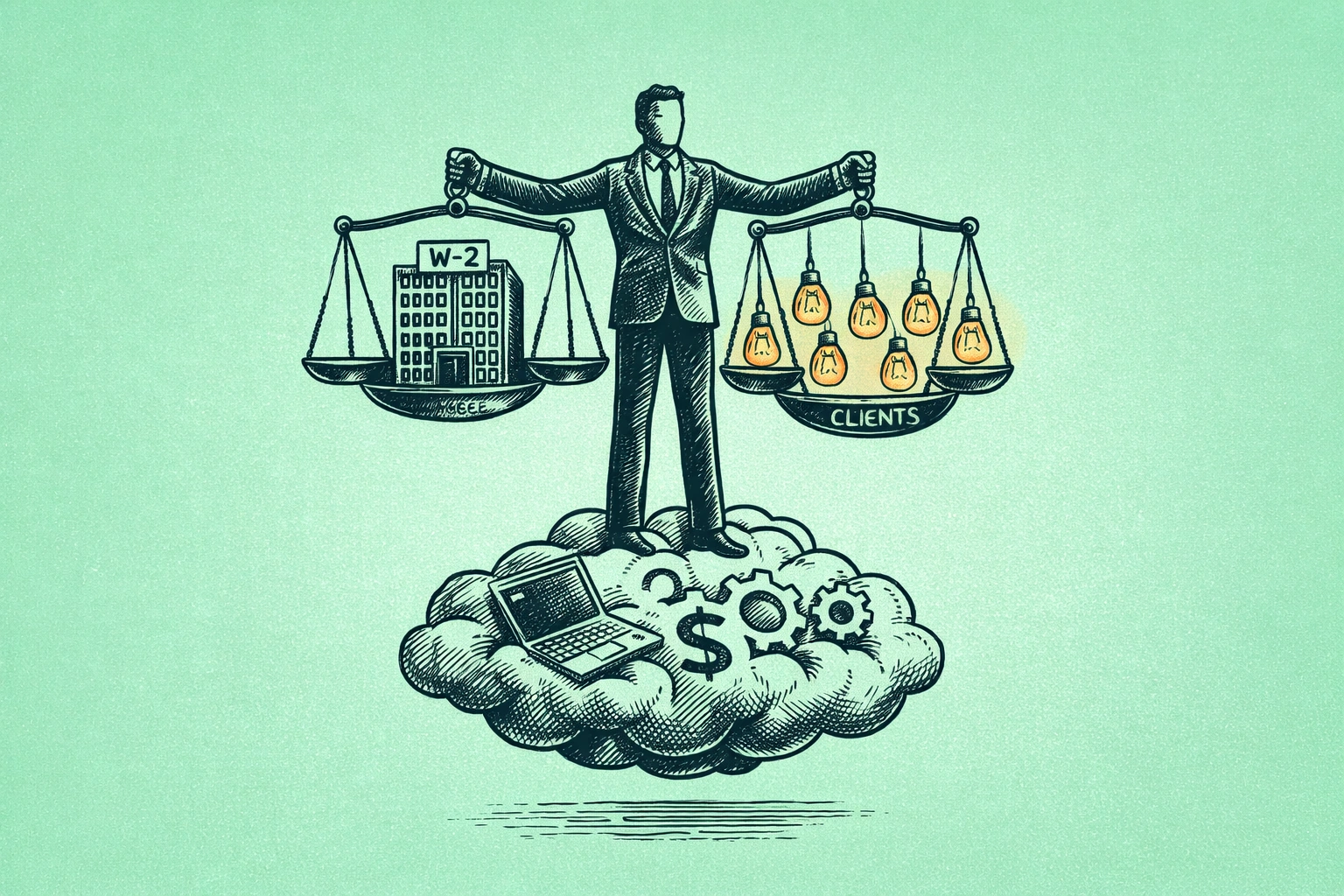
The frame that actually helped me think about this clearly: I’m not trying to replace what I do. I’m trying to identify which parts of what I do are execution and which parts are judgment, then route the execution parts away from myself.
Execution: researching, drafting, scheduling, following up, formatting, filing, answering routine questions. These have a right answer and a repeatable process. They can be delegated.
Judgment: deciding what to write about and why, which relationships to prioritize, which direction the business should move, what the voice of the brand should be, how to handle anything complicated or sensitive. These require me specifically, because they depend on context and values that an agent doesn’t have.
The goal isn’t to remove yourself from the business. It’s to remove yourself from the parts of the business where your presence adds no value. That’s a different frame than the “one person on a beach while bots generate revenue” fantasy, but it’s also more honest and more achievable.
The wealth-building parallel is worth drawing: the highest-use financial moves are the ones that compound while you’re doing something else. The highest-use operational moves in a solo business are the same. You design the system, you maintain the judgment layer, and the execution runs without requiring your attention every time it cycles.
Where to Start If You’re Not There Yet
The mistake is trying to build all of this at once. One agent that genuinely works and saves four hours a week is worth more than five agents that each need constant maintenance and collectively save two.
Pick the single most repetitive task in your current operation — the one you do every week that requires the least judgment and the most time. Build one agent for that. Use Make.com or n8n for the automation plumbing, Claude or GPT-4 for any language tasks, and spend the first month just making that one thing reliable before adding anything else.
The compounding happens when these agents start connecting to each other — when the research output flows automatically into the drafting input, when the outreach response triggers a calendar booking, when the support ticket that needs human review lands in your inbox already summarized and categorized. That integration is where the real use lives. But you get there incrementally, not by deploying everything on day one and hoping it holds together.
The solopreneur ceiling was never about ambition. It was about hours. The ceiling moved. What you build with the recovered time is your problem now — which is the same thing as saying it’s your opportunity.