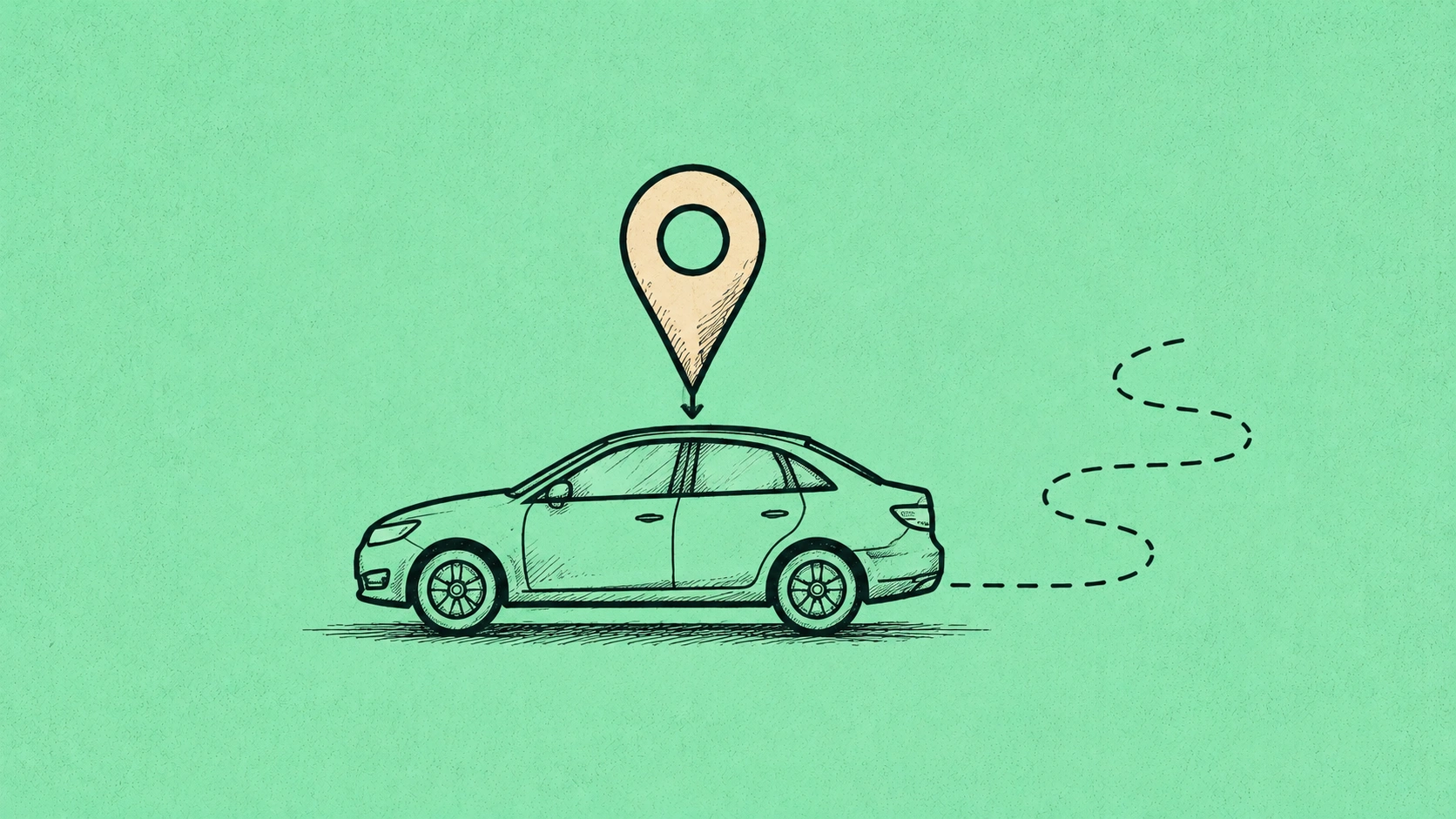
A while back I started paying attention to a strange pattern: people whose car insurance jumped at renewal with no accident, no ticket, no obvious cause. The common thread turned out to be their cars. Not how they drove them in any way they’d agree was risky — just that their vehicles had been quietly reporting their every trip to data brokers, who sold it to insurers, who repriced them. The driver was the last to know. “Is my car tracking me?” turns out to have a uncomfortable answer for almost everyone driving something recent.
If you own a car built in the last several years, it’s almost certainly collecting data about you, and there’s a decent chance some of it is being sold. This isn’t a conspiracy theory — it’s a documented practice that regulators have started investigating. Here’s what your car knows, where that data goes, and what you can actually do.
Is My Car Tracking Me? What It’s Actually Collecting
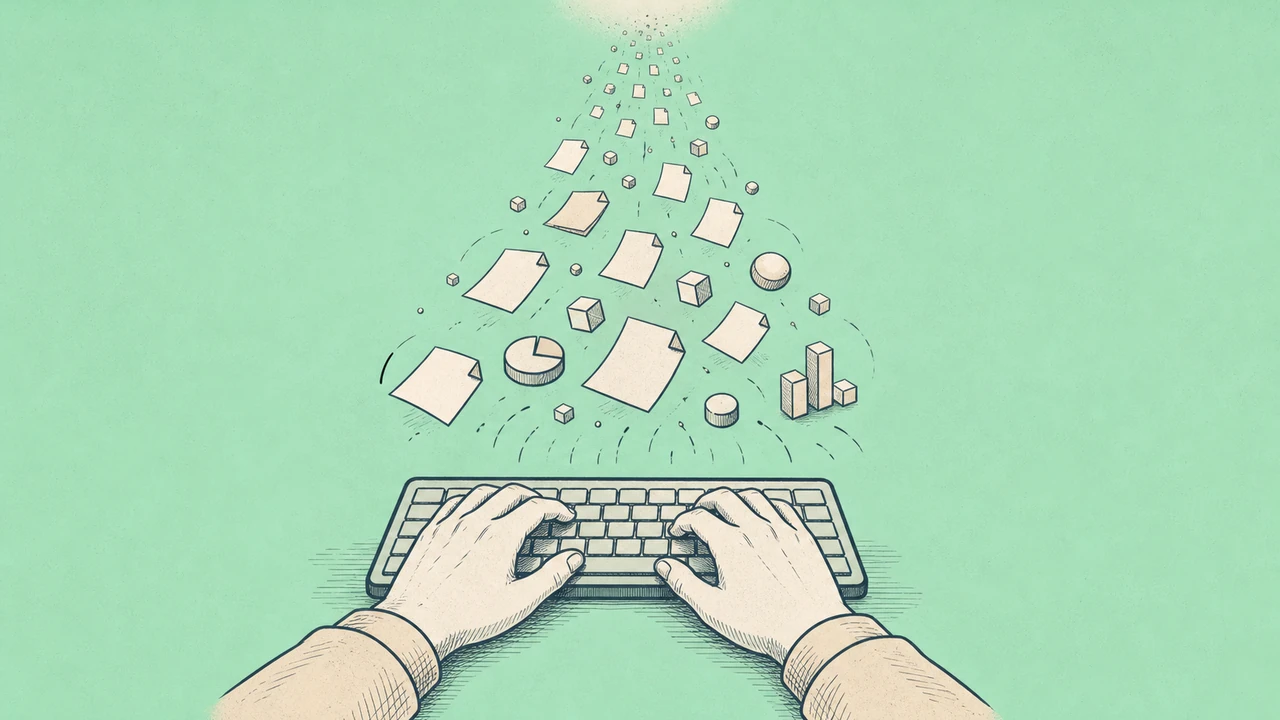
Modern cars are computers on wheels, and the connected ones — anything with a companion app, built-in data connection, or “smart” features — generate a remarkable amount of data. Location and trip history: where you go, when, how often. Driving behavior: speed, hard braking, rapid acceleration, time of day you drive. Some systems log seatbelt use and even infer passenger presence.
Then there’s everything you connect to it. Pair your phone and the car may pull your contacts, call logs, text-message metadata, and location history. The infotainment system can retain this even after you disconnect. People who sell a car without wiping it often hand the next owner their entire phone history along with the keys.
This is the consumer-facing version of the same license-plate and location tracking that powers large-scale surveillance networks — the difference is that here, you bought and are driving the tracking device yourself, and you agreed to it in a clickthrough you never read.
Where the Data Goes — and Why Your Insurance Knows
The path that hits your wallet runs through automakers, data brokers, and insurers. Several major manufacturers were found to be sharing driving data — through “safe driving” or connected-services programs many owners didn’t realize they’d enrolled in — with brokers who package it into risk scores and sell it to the insurance industry.
The result: drivers discovered their insurance had risen based on a behavioral report they never knew was being compiled, assembled from their own car’s telemetry. Some found detailed records of hundreds of individual trips when they requested their file. The Federal Trade Commission and several state regulators have opened inquiries into the practice, and at least one major automaker was named in a federal complaint over it.
This is data-broker economics applied to your driveway, and it connects directly to the broader machine of what data brokers know about you. Your car is just one more high-quality feed into the same file.
The Other Risk: Surveillance You Didn’t Sign Up For
Beyond commercial data sales, your car’s location is increasingly readable by systems you have no relationship with. Automated license-plate readers — cameras mounted on poles, police vehicles, and even private repo and parking operators — log where and when your plate is seen. The Electronic Frontier Foundation has documented networks of these cameras capturing hundreds of millions of plate scans, building a searchable history of where ordinary cars travel, the overwhelming majority belonging to people suspected of nothing.
You have less control over this layer — you can’t opt out of public cameras reading your plate. But it’s worth knowing it exists, because it’s the same centralization risk: individually trivial scans that become a detailed movement profile once aggregated.
Join The Global Frame
Money, work, and tech — one read every Saturday that actually changes how you think.
What You Can Actually Do
You have more control over the commercial data sale than over the cameras, and that’s where the money impact is. Here’s the practical sequence.
Request your data and opt out at the automaker level. Most major manufacturers now have a privacy portal where you can see what’s collected and request deletion or opt out of data sharing — pressure from regulators forced these into existence. Search your automaker’s name plus “privacy request” or “data opt out.” This is the highest-leverage step because it can cut off the feed to brokers at the source.
Pull your file from the driving-data brokers specifically. LexisNexis Risk Solutions and Verisk have run the main “telematics” exchanges feeding insurers. You can request your consumer disclosure report from them — the same way you’d check a credit report — to see exactly what driving data they hold, and dispute or request deletion. If your insurance jumped unexpectedly, this is how you find out whether car data is the reason.
Decline connected-services enrollment, or turn it off. Many “safe driving” programs are opt-in but enabled at purchase by a salesperson, or buried in the app setup. In the companion app and the car’s settings, look for data-sharing, telematics, or “driving insights” toggles and turn them off. You lose some convenience features; you cut the data pipeline.
Wipe the car before you sell it, and unpair before you return a rental. Factory-reset the infotainment system to clear your contacts, call history, and location data. In a rental, delete your phone from the system before you hand back the keys. This takes two minutes and prevents your personal data from riding along to the next driver.
The Bigger Picture for Your Budget
The car-data story is a clean example of a theme that runs through almost everything about modern privacy: the data you generate is quietly repriced into decisions about your money, and the default is that you don’t find out until the bill arrives. The defense is the same posture that works everywhere else — assume collection is happening, find the opt-outs that exist, and check the broker files that feed the decisions.
And it ties straight back to your budget. If your insurance climbed and you can’t explain why, your car’s data trail is now a legitimate first thing to check — right alongside the fixed-cost audit where re-shopping insurance already belongs. Knowing why your premium moved is the first step to getting it back down. Your car works for you. It shouldn’t also be working for an insurer’s pricing model behind your back.