I’ve been watching the tariff coverage closely since early 2025 and noticed something that I think is causing more confusion than the tariffs themselves: the numbers being cited are wildly inconsistent. One headline says tariffs will cost the average household $3,800. Another says $600. A third says $1,500. All three are from credible sources, all published within the same calendar year, and none of them are wrong — they’re just measuring different policy environments at different points in time.
That volatility in the estimates is itself the story. The tariff regime of 2025 and 2026 has been one of the most unstable trade policy environments in modern American history. Rates peaked at an average effective tariff rate of nearly 28% after the April 2025 announcements — the highest since the Smoot-Hawley era. Then the Supreme Court struck down the broadest IEEPA-based tariffs in February 2026, cutting the effective rate roughly in half overnight. Then new Section 122 tariffs were imposed, bringing rates back up. Then a 100% pharmaceutical tariff was announced, effective September 2026.
If you’ve been waiting for the tariff situation to “settle” before thinking about what it means for your finances, you’ve been waiting for something that probably isn’t coming. The instability is the environment. Making good financial decisions in it requires understanding which tariffs are durable, which are temporary, and which categories of your spending are actually exposed.
What the Numbers Actually Mean Right Now
The most reliable ongoing analysis of tariff household impacts comes from the Yale Budget Lab, which publishes regular updates as policy changes. Their April 8, 2026 analysis is the most current detailed estimate available.
Why the Cost Estimates Are All Over the Place
The current average US effective tariff rate stands at 11.8% — the highest since the early 1940s, excluding the 2025 peak. What that translates to in household terms depends significantly on one variable: whether the Section 122 tariffs expire as scheduled or get extended. If they expire, the Yale Budget Lab estimates the average household loss at $760 to $940. If they’re extended, that figure rises to $1,200 to $1,500. For households in the top income decile — roughly the core TGF reader — the dollar burden is higher in absolute terms: approximately $2,175 per year if Section 122 expires, or $3,424 if extended. That’s higher in dollar terms because higher-income households consume more goods in absolute terms, even though lower-income households feel the burden as a larger share of their income.
That’s the number worth holding onto. Not $3,800, which reflected a different policy environment before the Supreme Court ruling. Not $600, which reflected a temporary post-ruling window. Roughly $760 to $940 for the average household, $2,175 or more for top-decile households, concentrated in specific categories.
The categories carrying the highest tariff exposure under the current regime, according to the April 8 Yale Budget Lab report: motor vehicles, clothing, furnishings, and — starting September 29, 2026 — most patented brand-name pharmaceuticals.
The Pharmaceutical Tariff Nobody’s Talking About
The most significant tariff development for high earners in the second half of 2026 hasn’t received much personal finance coverage, possibly because it doesn’t arrive until late September. A 100% Section 232 tariff on most patented brand-name pharmaceutical products takes effect September 29, 2026. Generic drugs and orphan drugs are exempt. Drugs from manufacturers who have entered certain onshoring agreements with the administration qualify for lower rates, and seventeen drug manufacturers are named in the proclamation as having pre-existing onshoring agreements that affect their products’ tariff treatment.
The practical implication: if you currently take brand-name medications for any condition — specialty drugs, biologics, or patented treatments for chronic conditions — the cost structure of those medications could change substantially in the fourth quarter of this year. The 100% tariff doesn’t automatically mean your out-of-pocket cost doubles, because insurance, pharmacy benefit managers, and manufacturer rebate structures all intervene. But it introduces a significant new pressure on drug pricing that hasn’t existed before.
The conversation worth having with your pharmacist or physician before September: whether any brand-name medications you take have effective generic equivalents, and whether switching to a generic before the tariff takes effect is medically appropriate for your situation. This is a decision that benefits from advance planning rather than a reactive response in October when costs have already shifted.
Join The Global Frame
Money, work, and tech — one read every Saturday that actually changes how you think.
The Big-Ticket Decisions Worth Thinking Through Now
For most of the spending categories affected by tariffs — groceries, small household goods — the appropriate response is essentially nothing. The amounts are too small relative to income to meaningfully alter behavior, and attempting to time purchases at that level creates more friction than it saves.
The Product Categories Hit Hardest
The categories where deliberate timing actually matters are large, discretionary purchases.
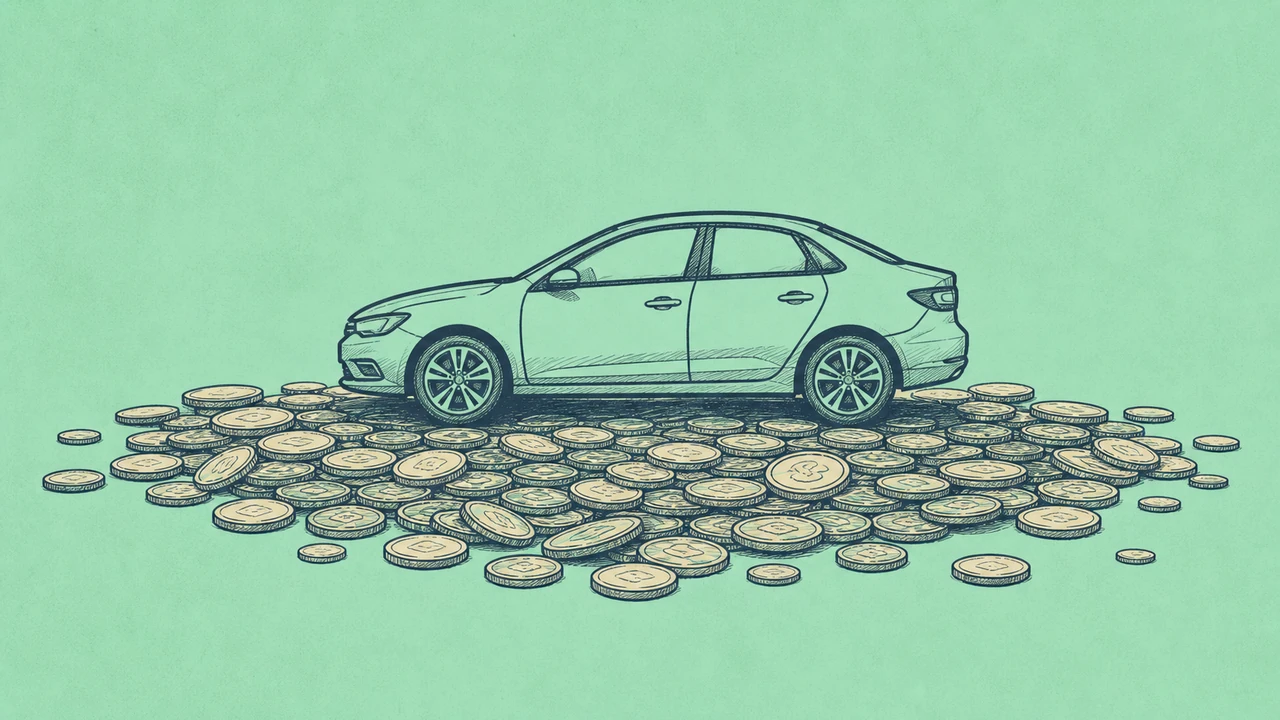
Cars are the clearest case. Section 232 tariffs on automobiles and auto parts are among the most durable elements of the current regime — they don’t carry the same legislative uncertainty as the Section 122 tariffs. New vehicle prices have risen under this pressure, and those elevated prices will persist as long as the tariffs do. If you were already planning to replace a vehicle in the next twelve to eighteen months, the tariff environment has added a real variable to that timing decision: whether there’s meaningful downside risk to waiting versus meaningful upside from potential trade deals that reduce rates or inventory normalization as manufacturers adjust supply chains. There’s no definitive answer, but the calculation is worth running explicitly rather than defaulting to a decision timeline you set before the tariff environment changed.
Home renovation is the second category where tariff exposure is most direct and concrete. The April 8 Yale Budget Lab report identifies metal products alongside motor vehicles and clothing as the hardest-hit spending categories. Anything involving steel, aluminum, or copper content — HVAC replacement, kitchen renovation, roofing, or structural work — has gotten more expensive because the material costs underlying those projects have risen. If you’re budgeting a renovation, building in a 10-15% contingency above your contractor’s current estimate is reasonable given where metal tariffs currently sit.
Clothing is worth noting because it’s a category people underestimate at scale. The Yale Budget Lab identifies it as one of the most affected spending categories if Section 122 tariffs are extended. Individually, the per-item impact is small. Across a household’s annual clothing spend, it adds up — and unlike cars or home renovation, it’s a recurring cost rather than a one-time decision.
What the Tariff Burden Looks Like in Your Specific Budget
The distributional math is worth understanding directly. Tariffs are regressive in one sense: lower-income households spend a larger share of income on goods relative to services, so they feel the burden as a larger percentage of take-home pay. The Yale Budget Lab finds the burden on the first income decile is about three times that of the top decile as a share of post-tax income — roughly 1.1% versus 0.4% if Section 122 tariffs expire.
For a household earning $150,000 to $300,000 annually — roughly the core TGF reader — the $2,175 annual tariff burden if Section 122 expires represents somewhere between 0.7% and 1.5% of gross income. That’s real but not dramatic. It’s a reduction in purchasing power that compounds over years if the tariffs are extended, but it’s not a structural financial threat. The appropriate response is not panic-buying, debt-financed stockpiling, or major lifestyle restructuring. It’s factoring the cost into your budget with the same analytical approach you’d apply to any other price change in your cost of living.
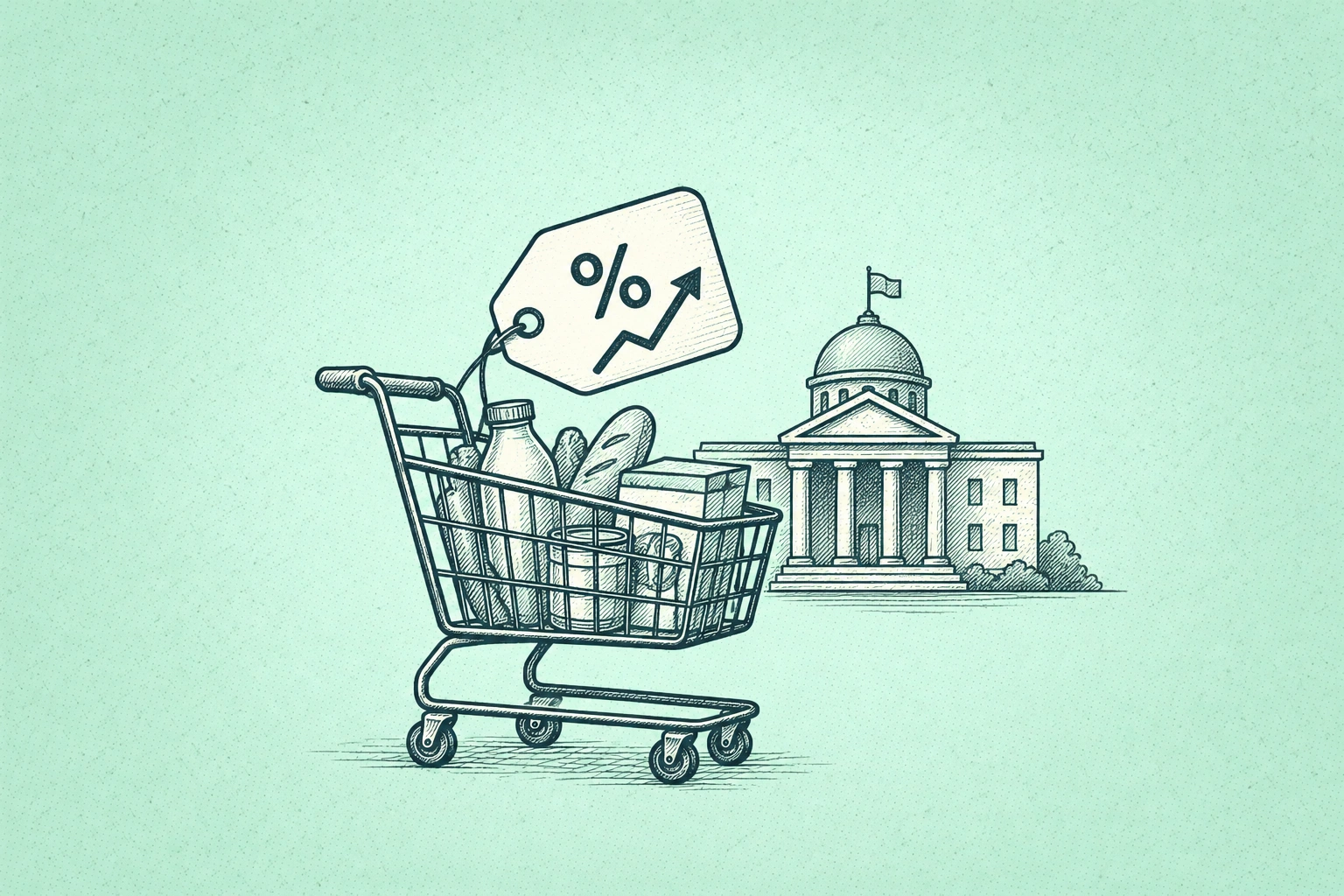
The more important financial implication of the tariff environment isn’t the direct household cost — it’s the secondary effects on inflation, interest rate policy, and the broader economy. The Fed’s approach to monetary policy through 2026 has been influenced by tariff-driven inflationary pressure, which is part of why rate cuts have been slower than many borrowers expected. That dynamic has implications for mortgage rates, HYSA yields, and the cost of carrying any variable-rate debt.
What to Buy Now vs. What to Wait On
The tariff tax itself is manageable for most high earners. The environment it creates — persistent above-target inflation, slower rate cuts, continued pressure on goods prices — is the more durable financial reality to plan around.
The Investment Portfolio Question
Tariffs are not a reason to change your long-term investment strategy.
Tariff uncertainty contributed to equity market volatility in 2025 and 2026. The S&P 500 fell more than 10% in Q1 2025 on tariff concerns before recovering through the year and closing up 16.4% for 2025. The instinct during that kind of volatility is to do something — reduce equity exposure, hold more cash, wait for clarity. The compounding math on that instinct is consistently negative. The people who moved to cash during the Q1 2025 decline and waited for tariff clarity missed the recovery.
Tariff policy will remain uncertain for the foreseeable future. That uncertainty is now a feature of the economic environment, not a temporary condition to wait out. Building your long-term portfolio strategy around the assumption of tariff clarity arriving in the next six months is a strategy for continuous deferrals.
The tariff-related portfolio consideration worth actually thinking about: if you hold concentrated exposure to sectors most directly exposed to tariff risk — manufacturers dependent on imported inputs, retailers with heavily import-dependent supply chains, companies with significant revenue from countries facing retaliatory measures — that’s a portfolio conversation worth having with a financial advisor. It’s a different question from whether to stay invested in a diversified portfolio, where the answer remains yes.