In August 2024, a company called National Public Data confirmed that someone had stolen their entire database — 2.7 billion records containing names, home addresses, phone numbers, and Social Security Numbers for the majority of Americans. The asking price on a criminal forum was $3.5 million. The actual cost to access it eventually dropped to zero, when a threat actor posted the full dataset publicly. What most coverage of that breach missed is the detail that makes it genuinely disturbing: National Public Data didn’t hack anyone. They were a data broker. Their product was your information. The criminals didn’t exploit a security vulnerability — they stole inventory that was already being sold.
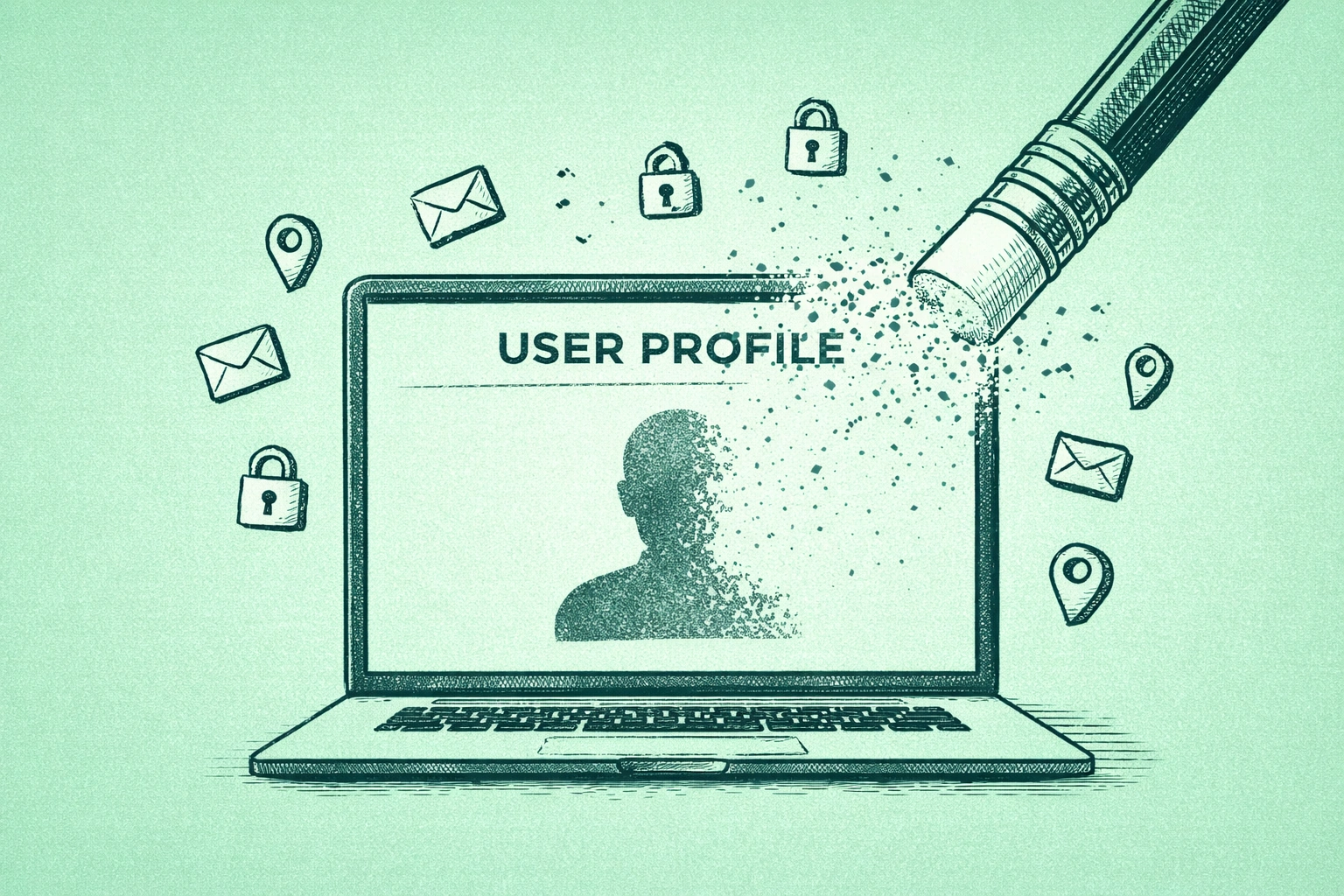
There are between 400 and 700 active data brokers in the United States. Each one has assembled a commercial profile of your life — address history, relatives, estimated income, consumer spending patterns, political affiliation — and sells it for roughly $0.50 a record to landlords, employers, insurers, marketers, and occasionally criminals who pay the same rate. When you delete yourself from the internet, you are not trying to become a ghost. You are trying to raise the effort required to find specific information about you from thirty seconds on Google to hours of targeted research. For the real-world threats that actually affect people — stalking, identity theft, discriminatory background checks — that elevation in friction is what provides protection. Perfect erasure is a fantasy. Meaningful reduction in exposure is completely achievable in an afternoon.
The Three Types of Companies Holding Your Data
The mistake most guides make is treating data brokers as a single category. They’re not, and the distinction determines both the harm they can cause and what you can actually do about it.
People search sites — Whitepages, Spokeo, BeenVerified, Intelius, MyLife — are the ones that surface when you Google your own name. They build visible profiles from public records, court filings, and social media scraping that anyone can purchase for $19.99, anonymously. These are annoying and high-exposure, but they have opt-out processes, and a determined person can remove themselves from the major ones in a focused afternoon. This is where to start.
Marketing data brokers — Acxiom, Epsilon, Experian Marketing Services — are companies most people have never heard of. They don’t publish your data publicly; they sell it to advertisers, insurers, and employers in bulk. They’ve assigned you consumer segments you’ve never seen: health interest profiles that can influence your insurance premiums, confidence scores that determine which credit offers you receive, purchase propensity models built from your transaction history. These are harder to reach and harder to verify removal from, but state privacy laws give you partial recourse.
Risk and background check brokers — LexisNexis Risk Solutions, TransUnion TLOxp, CLEAR by Thomson Reuters — compile the records that affect where you can live and where you can work. A dismissed arrest that never led to a conviction still appears in these databases. An old address associated with someone else’s criminal activity can shadow your background checks indefinitely. These records are the hardest to contest. The Federal Trade Commission’s Fair Credit Reporting Act guidance gives you specific rights when these databases affect a housing, credit, or employment decision made against you — but only if you know the report was used.
Where to Start (California Gets This One Right)
On January 1, 2026, California launched the Delete Request and Opt-Out Platform — DROP — the first government-operated system for mass data broker deletion in American history. If you’re a California resident, this is the single highest-return action available: five minutes of setup at privacy.ca.gov/drop sends simultaneous deletion requests to over 500 registered California brokers, with a legally mandated 90-day processing window and a $7,500-per-violation penalty for non-compliance. The system is real and the compliance pressure is meaningful. Do it before finishing this article.
If you’re in one of the other 49 states, you’re doing this manually. Start by running a privacy audit on yourself: search your full name in quotes alongside your city and state in Google, then separately search your phone number and email address in quotes. Screenshot every result. This is your removal list and your baseline. Then run your email through Have I Been Pwned — the free, authoritative breach notification tool maintained by security researcher Troy Hunt — to find out exactly which breaches have exposed your data. If your email appears in the National Public Data breach, your Social Security Number is on the dark web. You can’t remove it from there, but you can freeze your credit, which is the most important single action available to you.
A credit freeze is free under federal law at all three bureaus — Equifax, Experian, and TransUnion — and blocks any new creditor from viewing your credit file. Even if someone has your SSN and address, they cannot open new accounts in your name while the freeze is active. You can lift it temporarily when applying for credit and re-freeze it immediately after. Most Americans who should have done this have not. Do it now, separately, at each bureau’s website.
For the people search sites that represent the bulk of your visible public exposure, the ten highest-traffic sites — Whitepages, Spokeo, BeenVerified, Intelius, PeopleFinder, MyLife, TruthFinder, Instant Checkmate, Radaris, and FastPeopleSearch — each have individual opt-out forms that take five to fifteen minutes to complete. Removing yourself from the parent companies in several cases cascades to their subsidiary sites, which reduces the total number of individual submissions required. The Big Ass Data Broker Opt-Out List, maintained by a Consumer Reports security researcher and updated as recently as January 2026, is the most detailed free resource for this process — direct opt-out links for dozens of sites, prioritized by real-world traffic and harm. Work through it across a weekend and you’ve addressed the vast majority of your commercial exposure.
Join The Global Frame
Money, work, and tech — one read every Saturday that actually changes how you think.
If time is the constraint rather than money, three paid services are worth considering. Incogni covers 420+ verified brokers with automated removal and ongoing monitoring. DeleteMe adds quarterly human-reviewed privacy reports for people who want verification of what was actually removed. Optery offers a free scan that shows your exposure before you commit to paying anything. Independent testing by Consumer Reports puts automated services at roughly 27% removal effectiveness compared to around 70% for thorough manual removal — which is why the hybrid approach works best: do the top ten sites yourself, then use a paid service for ongoing re-removal as brokers re-scrape public records over time.
Some things cannot be deleted, and the clearest service you can do yourself is to understand this honestly. Property ownership records, court filings, voter registration, and bankruptcy records are public government documents. Data brokers pull from them continuously and legally. News articles are permanent. Biometric data, once compromised, cannot be changed the way a password can. And the smart home devices collecting data in your living room are adding new data points to this ecosystem in real time — your daily schedule, your viewing habits, your household composition. Reducing your footprint is not a one-time event. It’s a posture, revisited quarterly. Set a calendar reminder. Run Have I Been Pwned on your email addresses every few months. Re-check the ten people search sites every quarter — Radaris and MyLife are particularly aggressive about re-listing. The data economy does not slow down. But you can systematically reduce how much of yourself it has to work with, starting this afternoon.